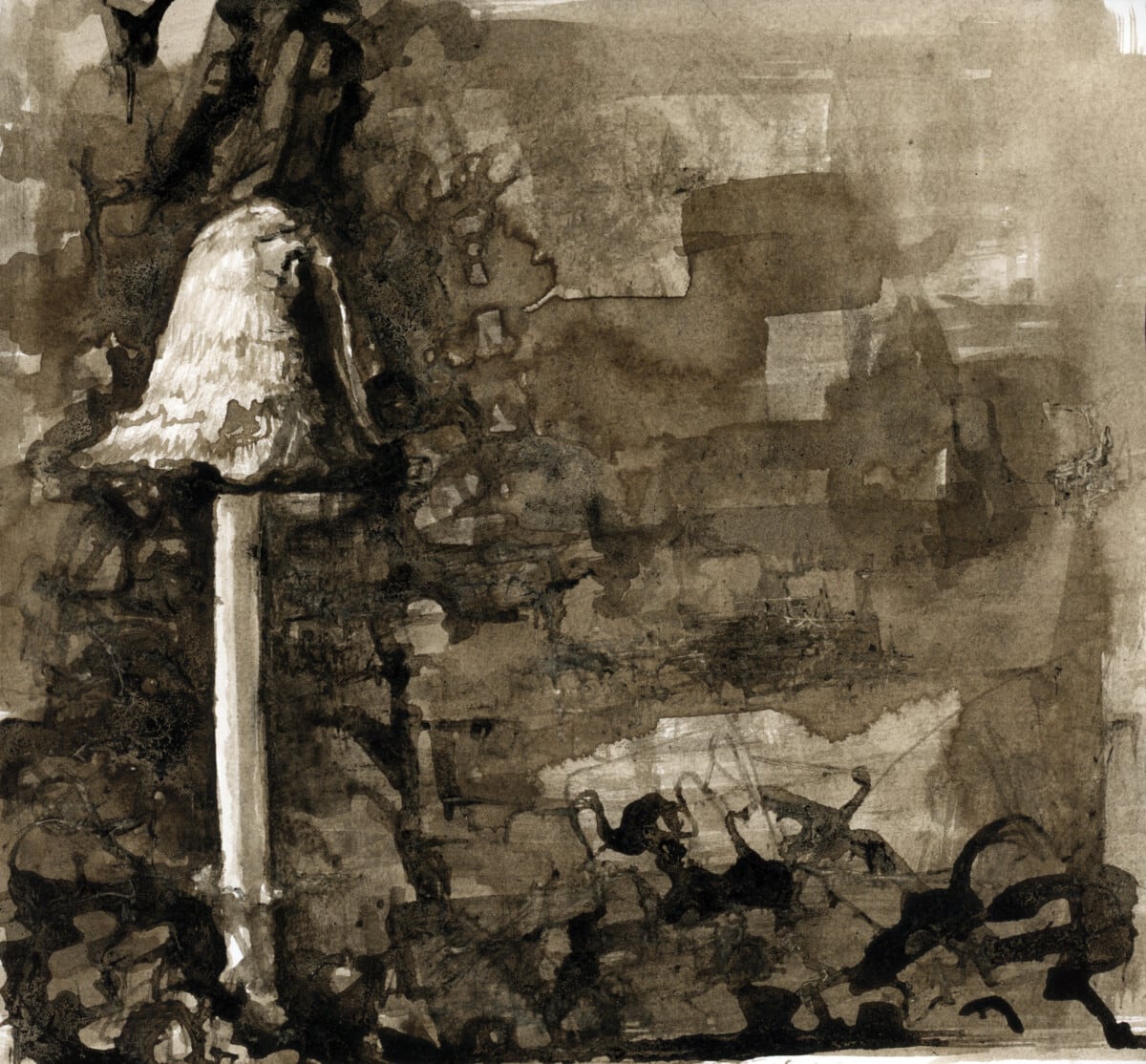
A somewhat sketchy sketch of a Shaggy Inkcap (Coprinus comatus) drawn using the ink produced by a fellow Shaggy Inkcap!
We stumbled upon this colony of Shaggy Inkcaps whilst walking Rosie. It showed us several stages of life/ reproduction – emergence, growth and disintegration. Alternatively – a race through infancy, del-ink-wency and decrepancy!
A fascinating, yet brief, cycle of life.
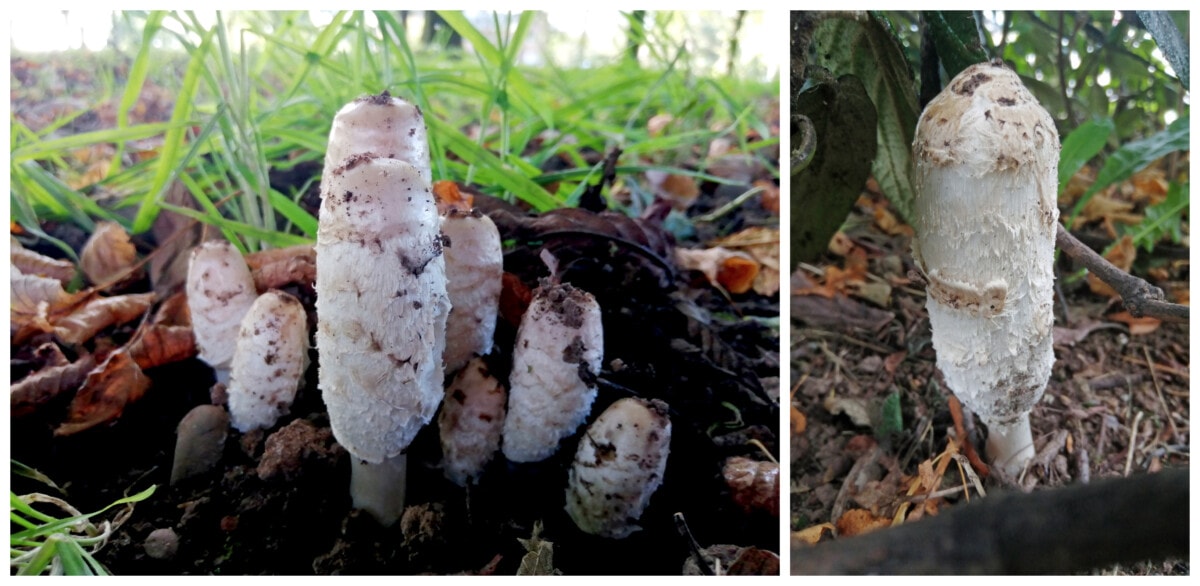
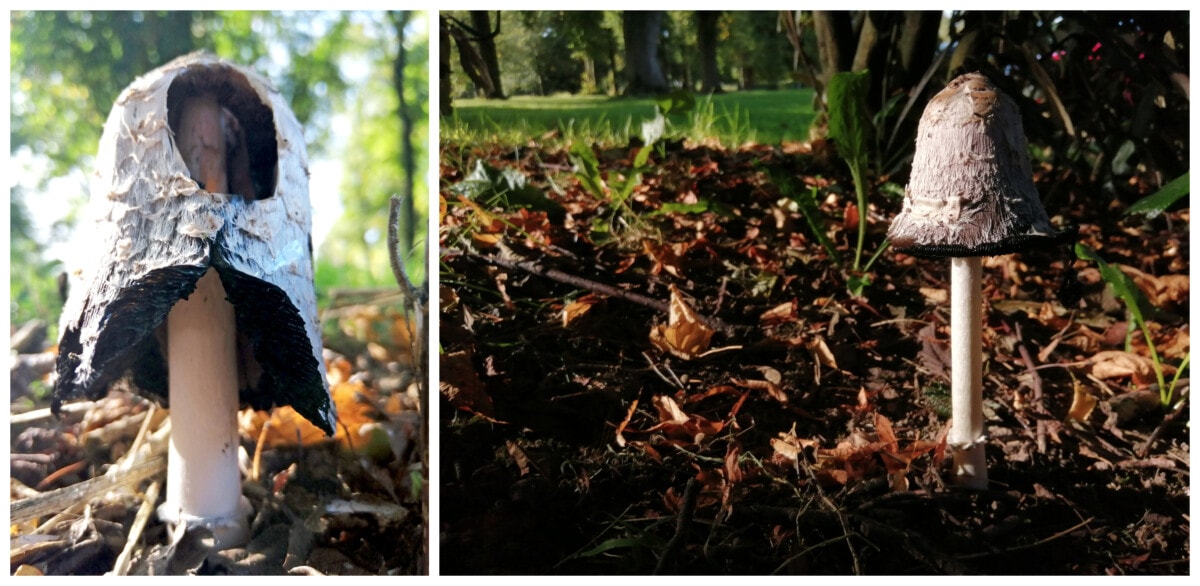
Shaggy Inkcaps are short lived, and unlike Common Inkcaps, they are pretty common! They spread their ripe spores through deliquescence – a wonderful word – the liquefication of their caps. They literally turn to ink!
You are advised, if picking to eat, to cook them within an hour or so, before they start to deteriorate. The degeneration is quick! After taking a few photos, we decided to come back the next day to observe the changes.
On our return, this Inkcap had disappeared altogether – not a trace of it could we find!
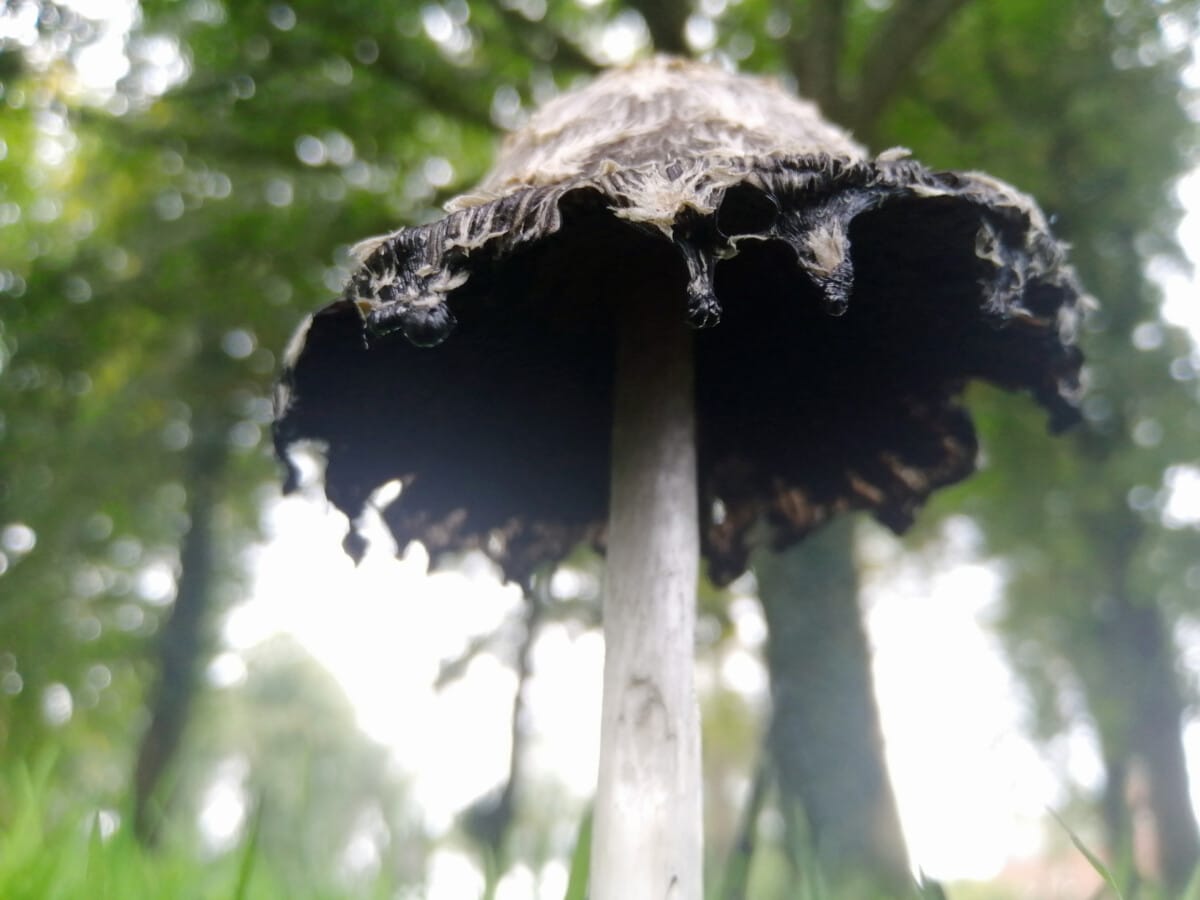
I popped the decaying body of another specimen into a dog poo bag (handy things!) and back home, transferred it to a cup. You can see in the first photo [below] that the gills have changed from white to pink, and then brown/ black.
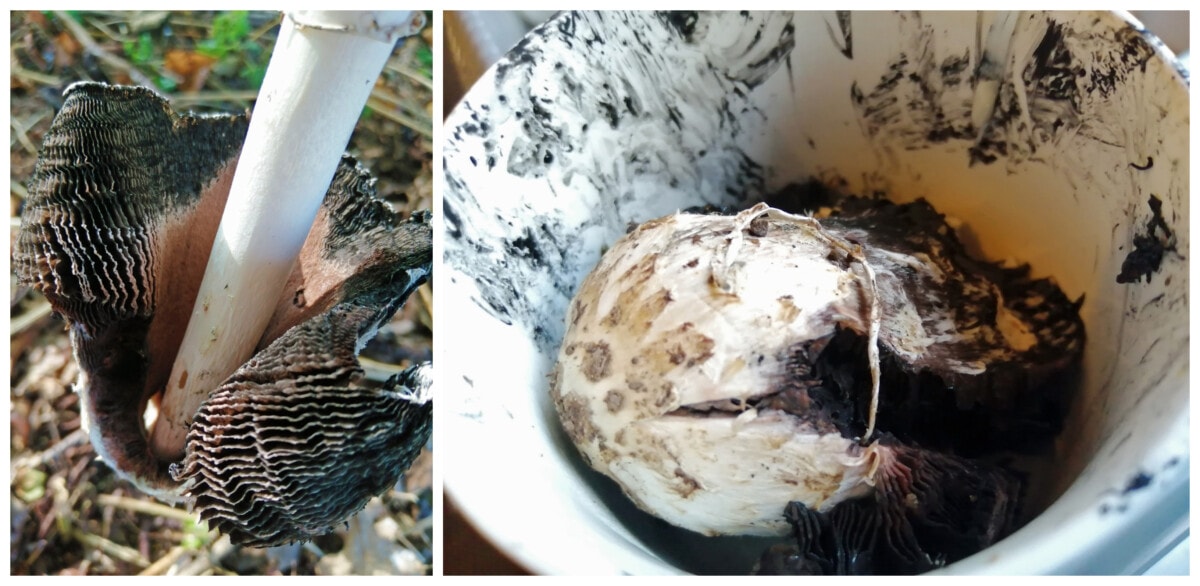
I believe deliquescing can happen in a matter of hours, but I left this sample overnight.
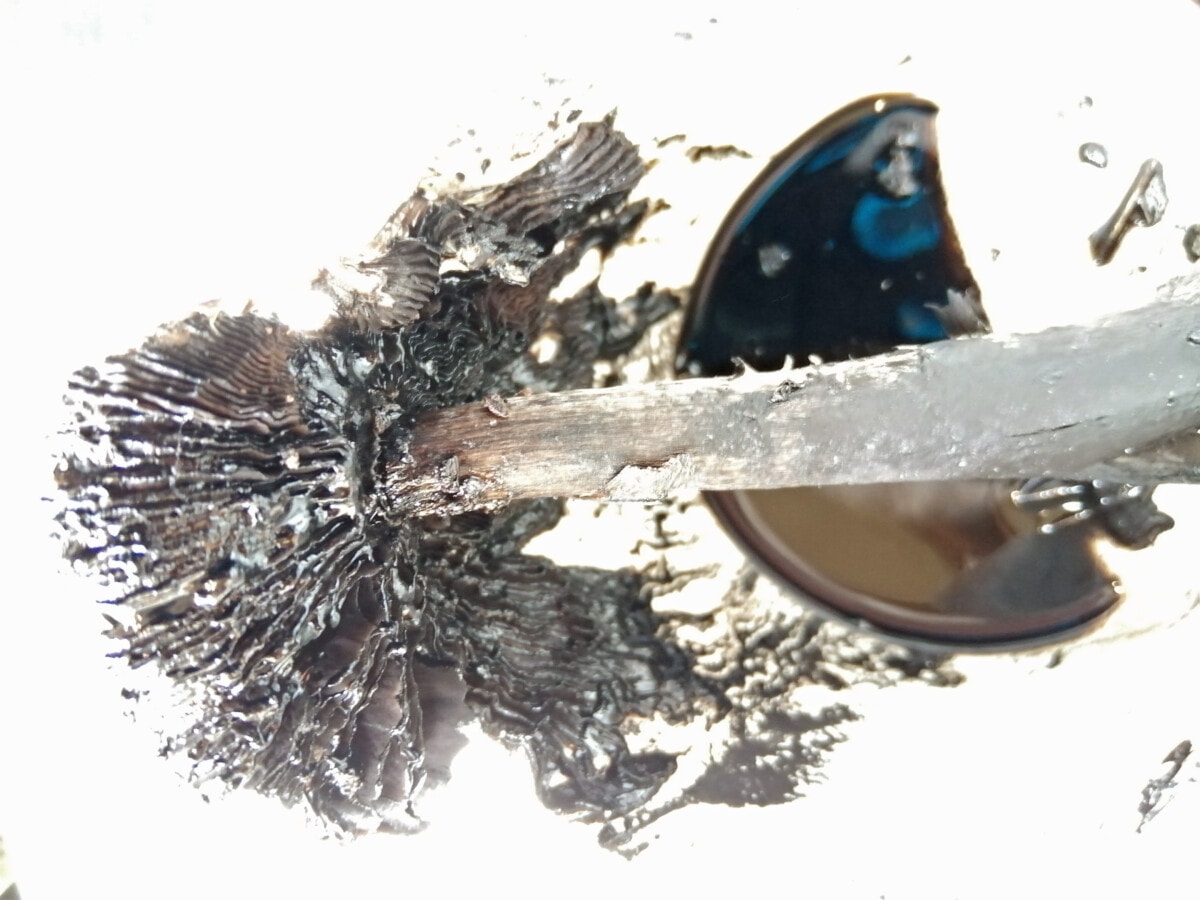
Ink-lination
And as you can see above, it produced a fair amount of lovely, deeply-fungus-fragranced dark ink!
Clearing out my parents’ house recently, I was delighted to find a set of ‘Round Writer Pen’ nibs and wooden pen. I’d never seen them before – nor the sketchbooks my great-grandfather used. (He created some amazing calligraphic poster/ art work (watch this space), likely a good hundred years ago…). This seemed an ideal opportunity to give the pen a shot!
Calligraphy isn’t my strong point (I’ll blame it on my recent (manual) chain-saw accident…). It is something I’d love to have the discipline to learn. I do have an interest in handwriting, though it has been a while since I’ve actually hand written a ‘proper’ letter. The last time I tried, my hand ached – a sign of the times? Muscles more used to tapping than writing.
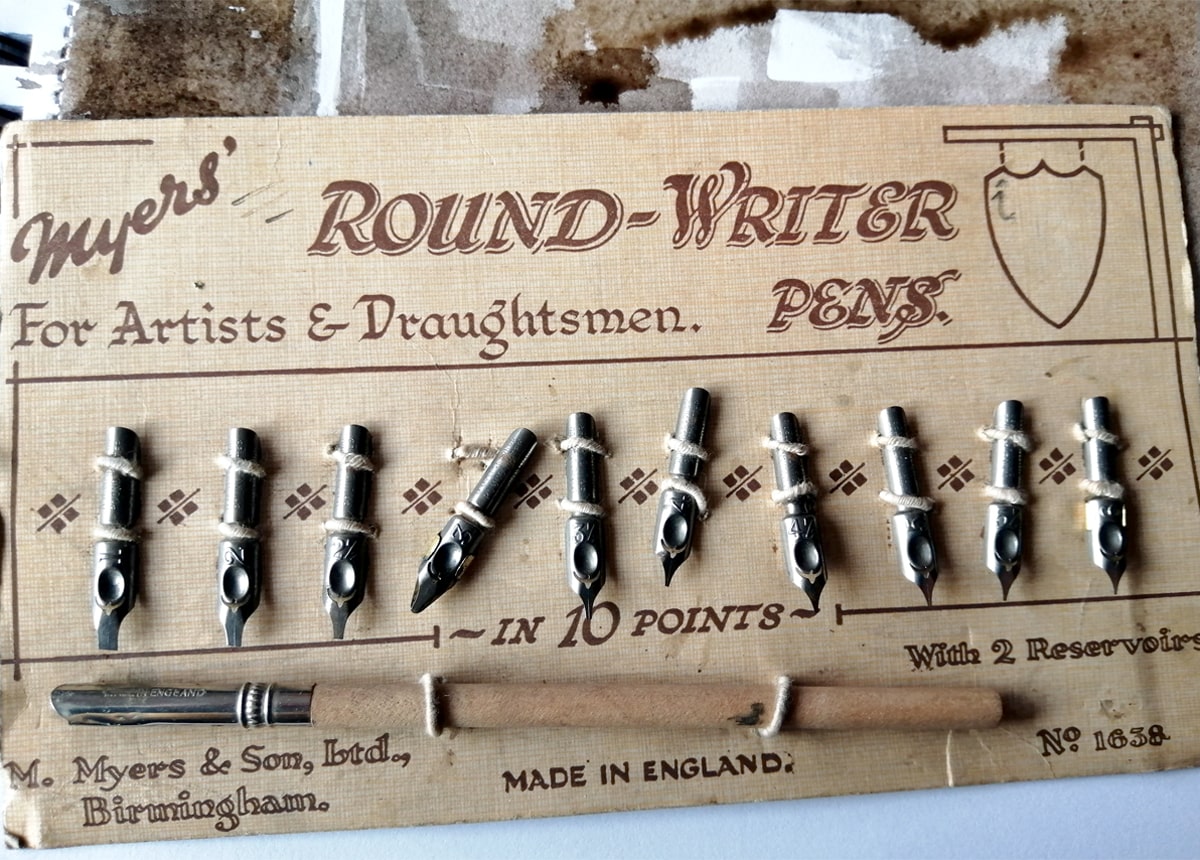
I’m doubtful about the light fast-ness of the ink – I suspect it will fade fast in direct sunlight (shall test and get back to you). I had pondered mixing it with something – alcohol? – but decided to try it straight! Wildfooduk reports that, “The black mess left after the mushroom deliquesces used to be used as ink after boiling with a little water and cloves, or urine”.
Back on location
…we found a huddle of newly emerging fungus, and as the gills would still be white, we picked 3 for breakfast! As they mature so fast, you really have to eat them within an hour or two of picking, so a swift pedal home, and preparations began!
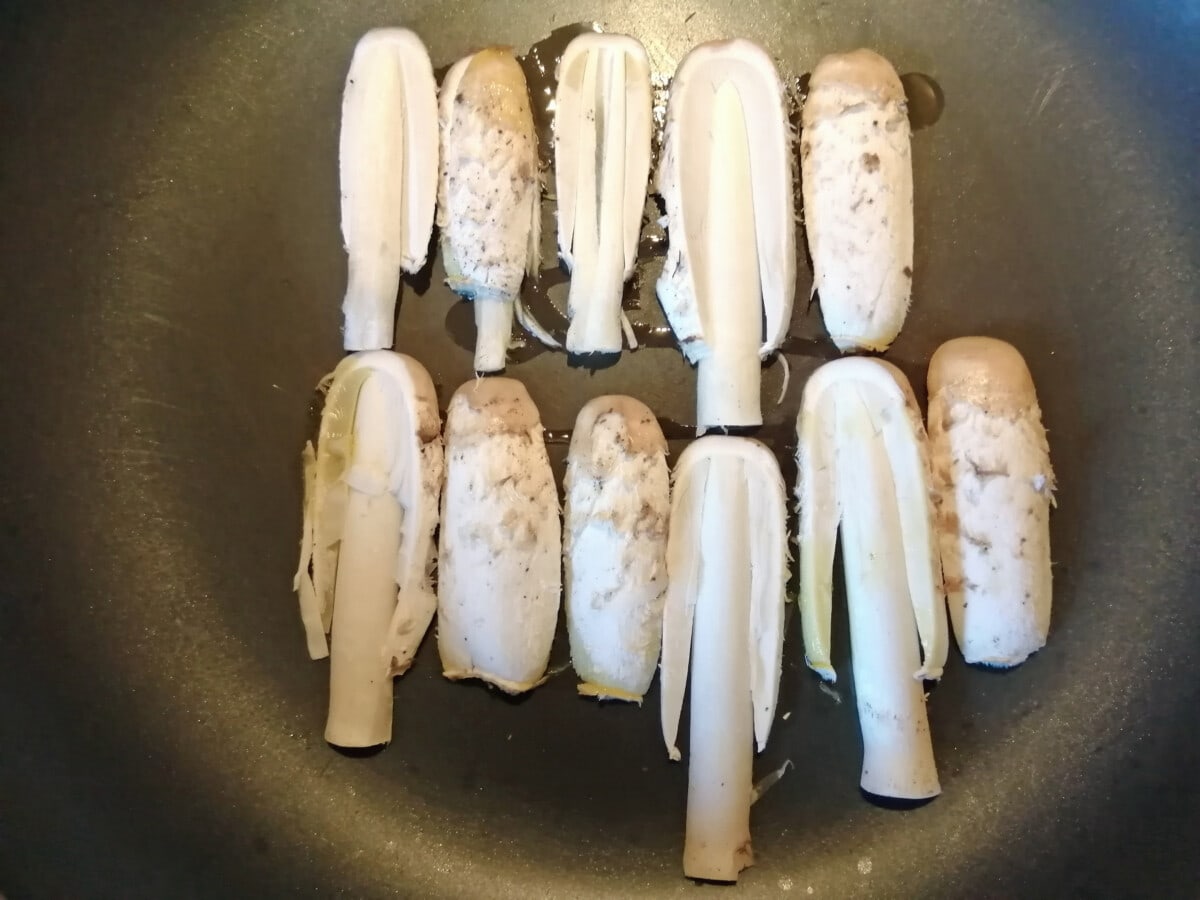
Whilst I wouldn’t describe their taste as the ‘boiled polystyrene’ mycologist John Wright suggests, their other attributes are more appealing! Texture of softened slug isn’t one, mind you. GallowayWildFood‘s Mark Williams gives them a 3/5 for edibility, so it’s not all bad!
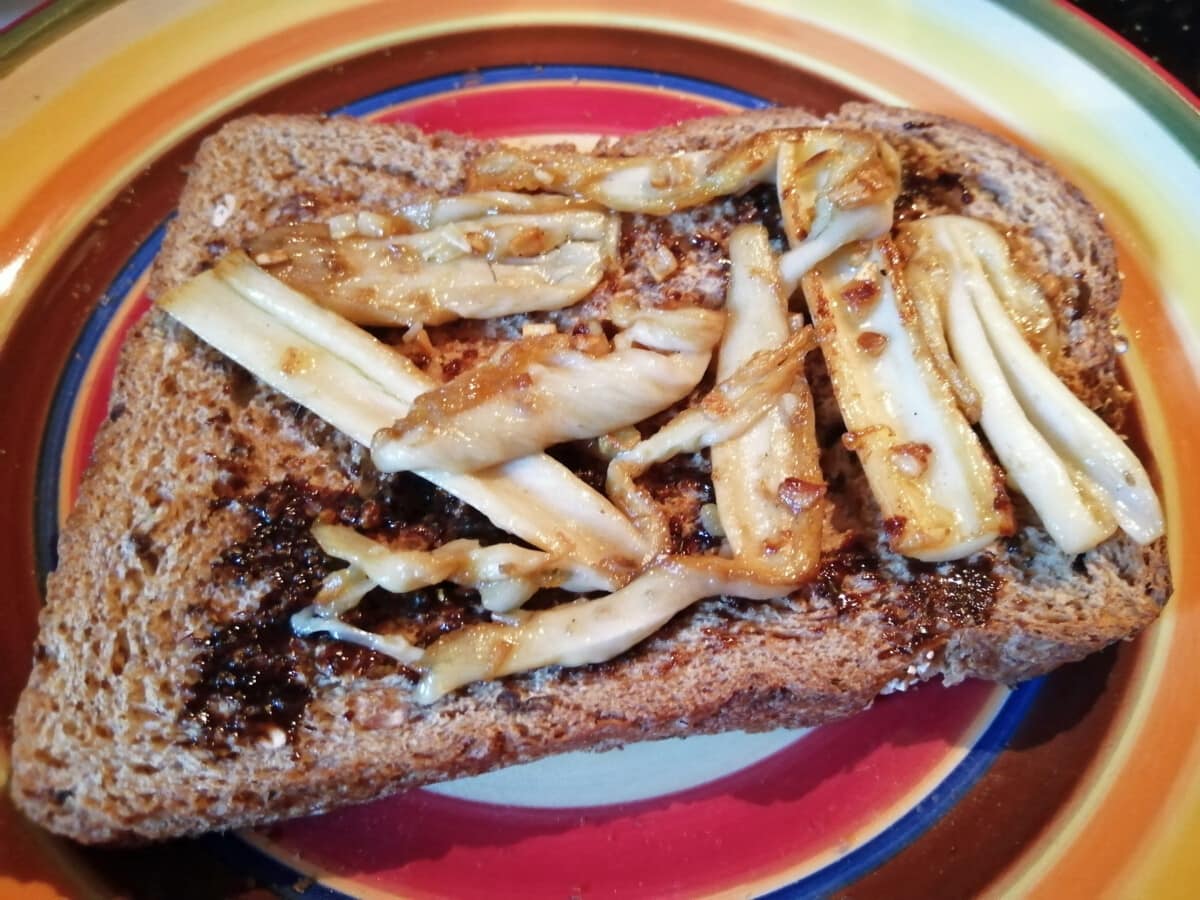
Shaggy Inkcap on toast – with garlic and Natex (a delicious Marmite-like yeast extract). They don’t look so appealing now I’ve mentioned the slug thing!
Out of interest, Common Inkcaps (Coprinopsis atramentaria) are also edible – but cannot (or should not) be eaten with alcohol. ‘Tippler’s bane’, they become poisonous if you consume alcohol 2 days either side of consumption! I’ve read that even the use of alcohol-based fragrances or deoderant can cause an unpleasant reaction. In this case, the shaggier the ‘shroom the better!
Back to the drawing board.
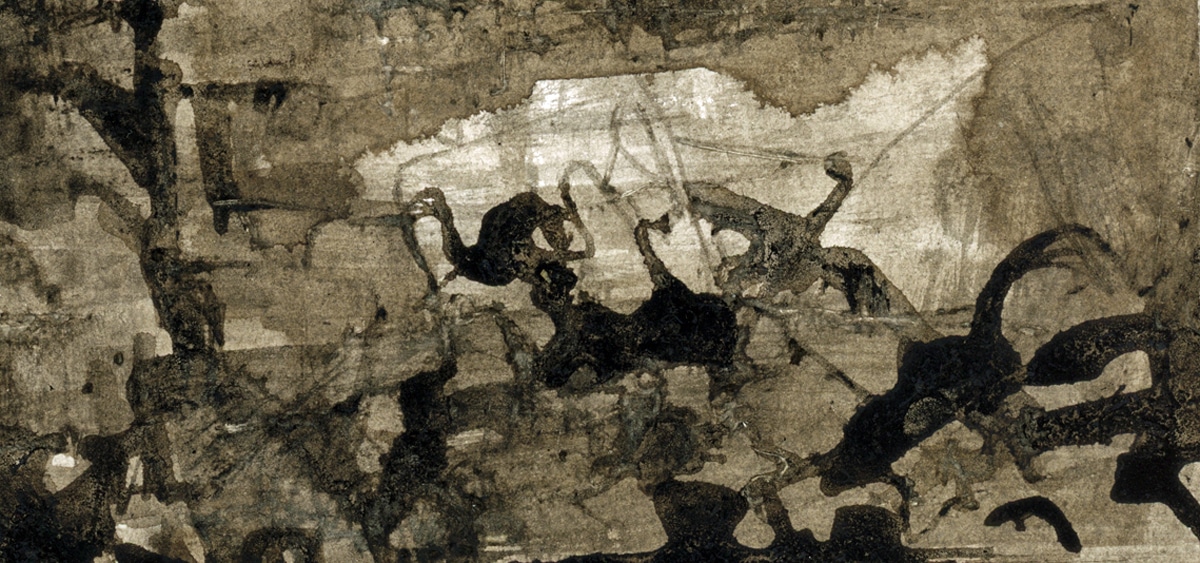
The ink itself is a lovely warm shade, with a grainy (sporey!) texture – bittier in some places than other! (I did have to fish out a few fungusy filaments). It took several layers to build up the depths in places, and I would like to try it on ‘proper’ paper and with more time to experiment.
I had an intriguing thought – I wonder if my sketch will start to grow…
I think they are lovely looking fungi, and if not used, I’ll spread the remaining spore-laden ink in the compost, on the back garden, or perhaps even at the allotment! Fingers crossed for a cracking crop next year!
Malcolm took this short video of the Shaggy Inkcap that disappeared overnight.
…and he insisted I add another scan of my sketch to look at again.